
Refusing a Breathalyzer in New Jersey: Penalties under NJ’s Implied Consent Laws Explained
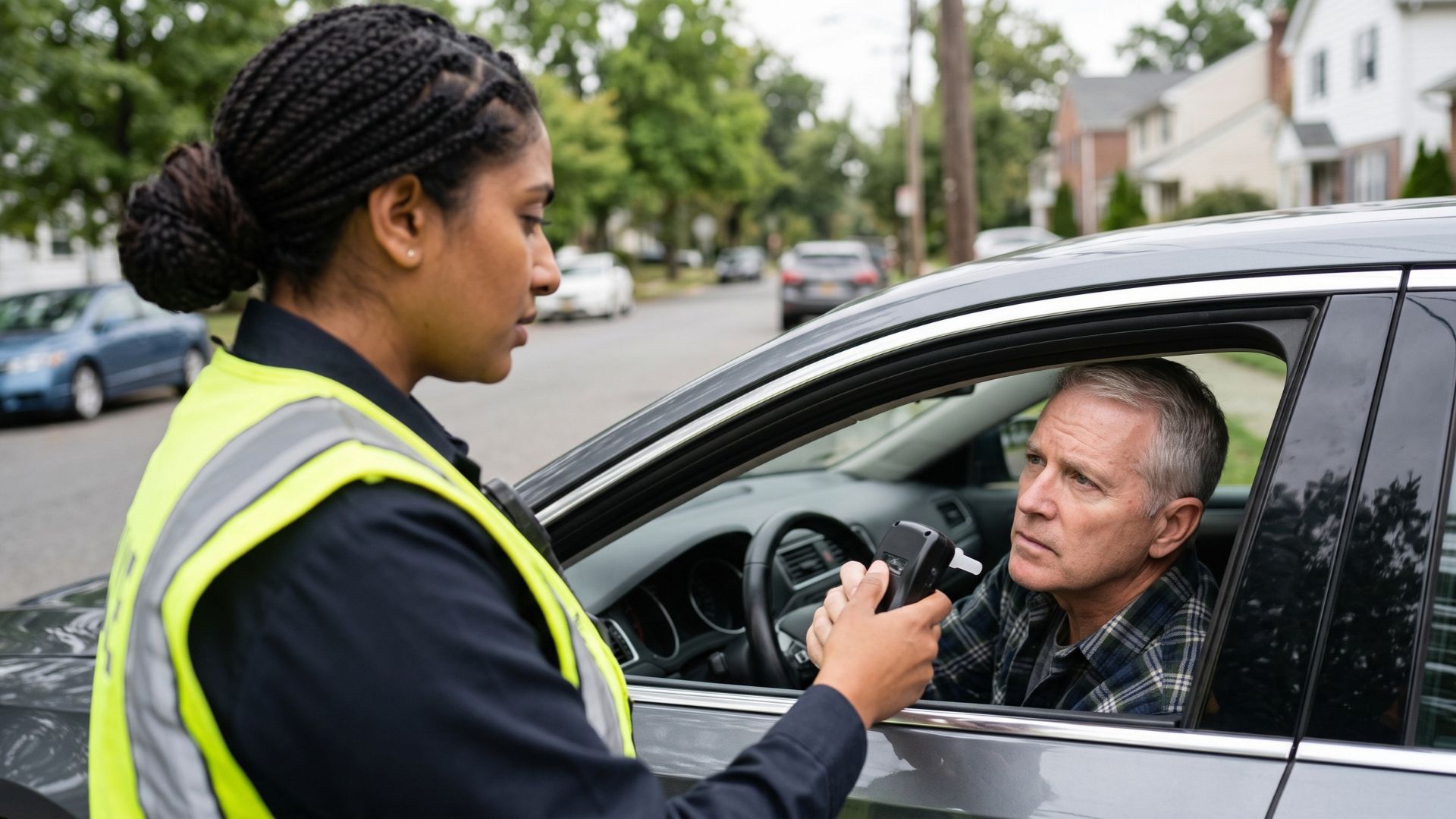
If you are pulled over on suspicion of driving under the influence in New Jersey, you might assume you have the right to decline a breathalyzer test. However, doing so carries immediate and severe consequences. Under the Garden State’s implied consent laws, refusing a breath test is a distinct offense with its own strict penalties, regardless of whether you were actually impaired. At The Law Office of Jordan B. Rickards in Milltown, New Jersey, we understand how overwhelming a traffic stop can be, but knowing your rights and obligations is crucial to protecting your future. Here is what you need to know about New Jersey’s implied consent laws and breathalyzer refusals. Schedule a consultation today.
Understanding NJ’s Implied Consent Law
When you operate a motor vehicle on any public road in New Jersey, you give automatic, “implied consent” to submit to chemical breath testing if an officer has reasonable grounds to suspect you are driving under the influence. You do not have the right to consult a criminal lawyer in New Jersey before deciding whether to take the test; you are legally required to comply.
Mandatory Ignition Interlock Device (IID) Requirements
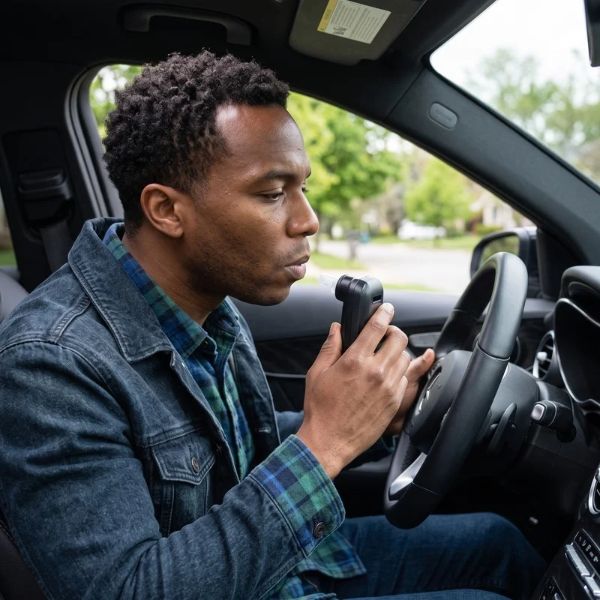
New Jersey law relies heavily on Ignition Interlock Devices (IIDs) rather than lengthy, automatic driver’s license suspensions for first-time offenders. If you refuse a breathalyzer, you will be ordered to install an IID in your principal vehicle at your own expense. This device requires you to blow into a mouthpiece to verify a clean breath sample before your car will start.

Fines, Fees, and Surcharges
Refusing a breath test results in steep financial consequences. First-time offenders face fines ranging from $300 to $500, along with mandatory contributions to state funds, such as the Drunk Driving Enforcement Fund. Furthermore, you will be assessed a state insurance surcharge of $1,000 per year for three consecutive years, totaling $3,000 in additional costs.

Escalating Penalties for Subsequent Refusals
The severity of penalties increases significantly with repeat offenses. A second refusal charge carries extended IID installation periods, higher fines, and a mandatory driver’s license suspension. A third offense can result in losing your driving privileges for up to eight years, alongside thousands of dollars in fines and potential jail time if charged in conjunction with a DUI.

You Can Face Both DUI and Refusal Charges
A common myth is that refusing a breathalyzer prevents police from charging you with a DUI. In reality, prosecutors can pursue both charges simultaneously. Even without breath test results, a prosecutor can rely on officer observations, field sobriety test performances, and video footage to secure a DUI conviction alongside your refusal penalty.
SCHEDULE A CONSULTATION
Navigating a breathalyzer refusal or DUI charge requires immediate, strategic action. If you or a loved one is facing charges, working with an experienced DUI attorney from a dedicated criminal law firm can make a profound difference in the outcome of your case. An effective criminal defense attorney will challenge the validity of the traffic stop, officer procedures, and whether implied consent was properly read. Contact The Law Office of Jordan B. Rickards in Milltown, New Jersey, today to safeguard your rights and explore your defense options.
